
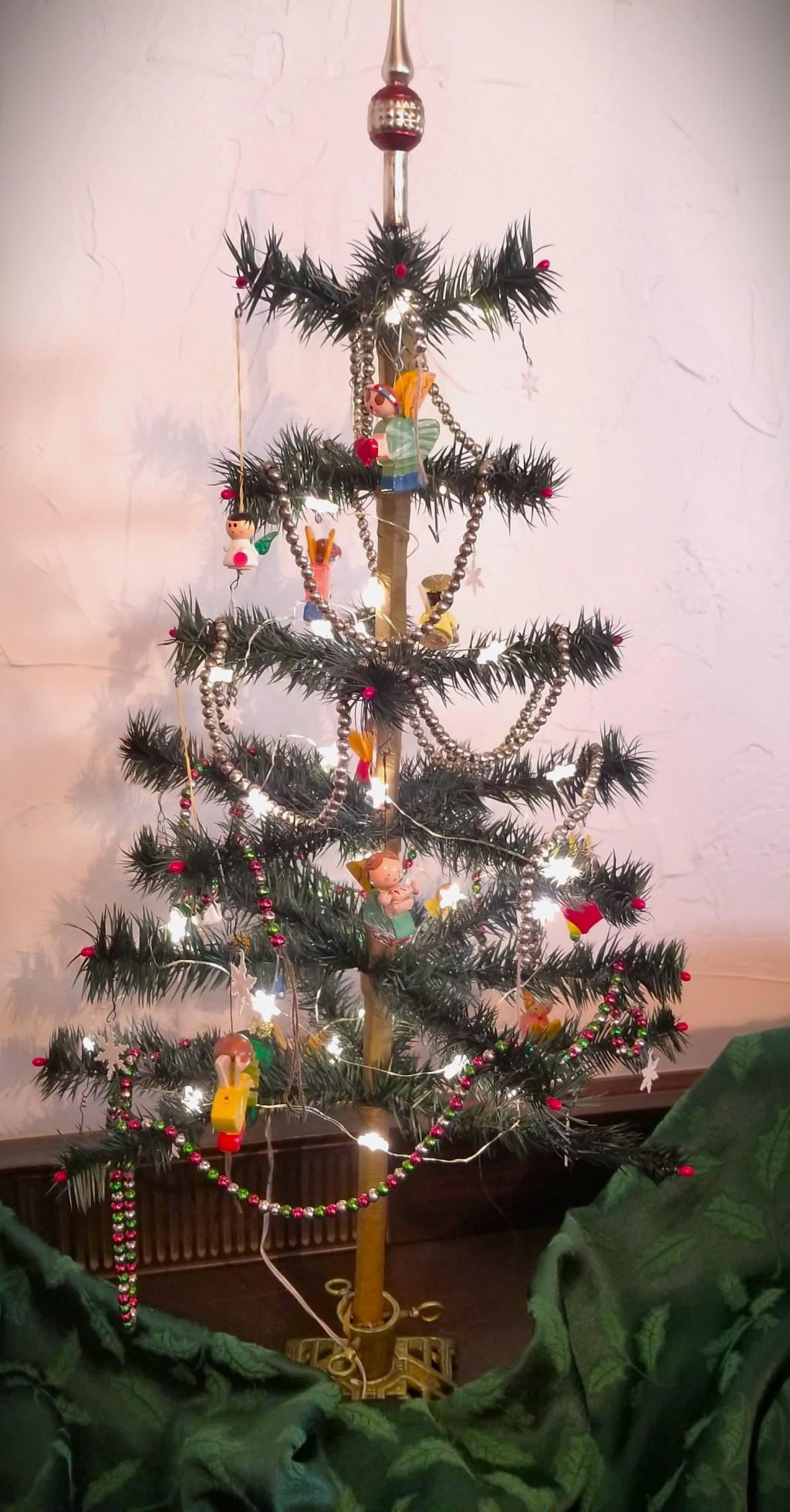
Apologies for this delayed post. Deb had to be hospitalized for a few days, which threw everything out of kilter. The hospitalization, and the medical emergency that preceded it, dunked me into the traumatic past I describe below, and it has taken a while to escape.
Change
I find that my writing process has changed. And why shouldn’t it have changed?
The writing experience changes as a person’s brain changes, and a person’s brain changes constantly, so of course I am writing differently compared to five, ten, twenty years ago.
In fact, 45 years have passed since I could focus exclusively on writing. This shocking fact reflects how hard it can be—gruelingly, numbingly, desperately hard—to survive as a novelist. I’ve always been penniless and have often been in debt. I wrote and published five books in five years, for which I earned about $15,000 total. My books got good reviews but lethargic sales and I was stuck in the dreaded midlist. My writing kept improving and my sales didn’t. My agent suggested I go to cons, and I did—though I had to put the hotel and plane fare on credit, then struggle to pay the bill. I participated in panels, did readings, and tried to make friends, despite my asocial wiring. My sales didn’t improve.
My beloved Deb Mensinger worked full time in social services, then in law enforcement, the only job she could find. We wanted to have a little truck farm so we could sell unique heirloom vegetables in farmer’s markets, but it was all we could do to pay the mortgage, with Deb in an overwhelmingly stressful job, and me holding down part-time gigs, sometimes several at once. We had a big garden and so we ate well, and I managed to write twenty hours a week in glorious silence and solitude. But our financial house of cards teetered, I couldn’t improve my writing without any writer friends, and one day we realized we both were miserable.
We pulled up stakes and moved to Massachusetts. I went to graduate school and became a part-time composition instructor. Deb went to trade school and launched a preservation carpentry business. I changed publishers, and launched my Elemental Logic series, which won some awards. Maybe I was breaking out of the mid-list! Our life was working pretty well. We had some fun. Then Deb got extremely sick and all the doors of possibility slammed shut.
Into every life an infinite flood of sh*t may flow
I had to handle everything: work for money, pay bills, do the housework, drive to doctor’s appointments, surrender vehicles we couldn’t pay for. Deb saw doctors several times a week, but none of them took care of me. I saw a counselor, but it didn’t help much. Sometimes I’d wander blankly up and down the aisles of a grocery story, looking for a thing I could buy that would somehow, magically, give me back my life.
My history up to that point had been in the “struggling writer” genre. Now it was in the “keeping my wife alive” genre. I was a smart, hard-working person who had always assumed this life would be mine to live, and it would be possible to write my way into success. But my life was now controlled by circumstance, not by me. My publisher dropped me, mid-series, while I was driving Deb to doctor’s appointments, clinic visits, and emergency rooms, and visiting her during many hospitalizations. I wrote in waiting rooms and on the subway. Then, I was severely injured in a fall when a porch rail collapsed, and for months I couldn’t work or do much of anything. Complete strangers donated money and drove Deb to visit me in the rehabilitation hospital and to her medical appointments. When Deb and I married, the first week same-sex marriages were legal, the doctors gave me a day off from wearing a body cast but I was still using crutches.
My beloved mother died. Deb’s liver began to fail. When I wasn’t teaching and commenting on student papers, I was driving her to seven specialists in three medical centers, all of us keeping her alive while she tried to get on the organ transplant list. Writing was impossible. When I remember this desperate scramble for life, now fifteen years in the past, my body still clenches. I was a traumatized soldier in an endless minefield. I was persistent, but every loss left me disoriented, gasping, wounded. To survive, I had to stop feeling pain, which meant I had to stop feeling. Today, I want to reach into the past and assure my dull, devastated, overloaded self, You will survive. Things will get better. But time has demonstrated that I won’t be restored. My old self is gone.
Deb survived, but is disabled by the nerve damage caused by her rare disease. I shifted to a full-time administrative job at the university and tried to write while commuting on the train. But my writing was estranged, distant, emotionless. Readers waited years for the fourth book of the Elemental Logic series. I could still write, but I was too traumatized to write well. After I managed to finish the last book of the series, Air Logic, I stopped trying to write. My tank was empty, and remained empty, until I retired.
Surprise!
After I retired, a year passed before I wanted to write again. Now, I’m sustaining a teetering balance, writing because I want to and not because I have a publication contract. I had promised myself that I wouldn’t do anything I didn’t want to do, things that, fortunately, are fairly easy to identify. But to figure out what I do want, and whether what I want is even possible, can be pretty painful. Some decisions are easy (draw and paint; talk with friends) and some are unexpected (learn to play ukulele). Some are far from easy, and my range of possibilities continues to be determined by limited funds.
Meanwhile, I’m writing differently. How to Survive in Rubbishtown is introspective and retrospective, contrary to my usual in-the-moment storytelling. It’s about characters who have no way out and are just trying to survive then get up in the morning to try some more. It’s about people who pay a daily cost to stay alive. My protagonist is determined but not heroic, a lot like me. Like me, she can barely manage to discuss her traumas and losses. Like me, she doesn’t have much of a plan, but keeps doing what she can. I’ve never written a book like this, true and personal rather than wishful, and like her, I’m figuring it out as I go along. As usual, I wrote a lousy first draft, but now I’m doing multiple revisions of each chapter before I move on to the next, which is an entirely new process. I’m not spinning a book—I’m building one, making each phase solid before I start the next, revising and polishing a chapter, then asking myself if it works, if it could be better, and revising it again.
I’m doing what I want to do, which will take as long as it takes. I don’t know what will happen next. But, more than half a century after I started writing my first novel, I’m still writing.
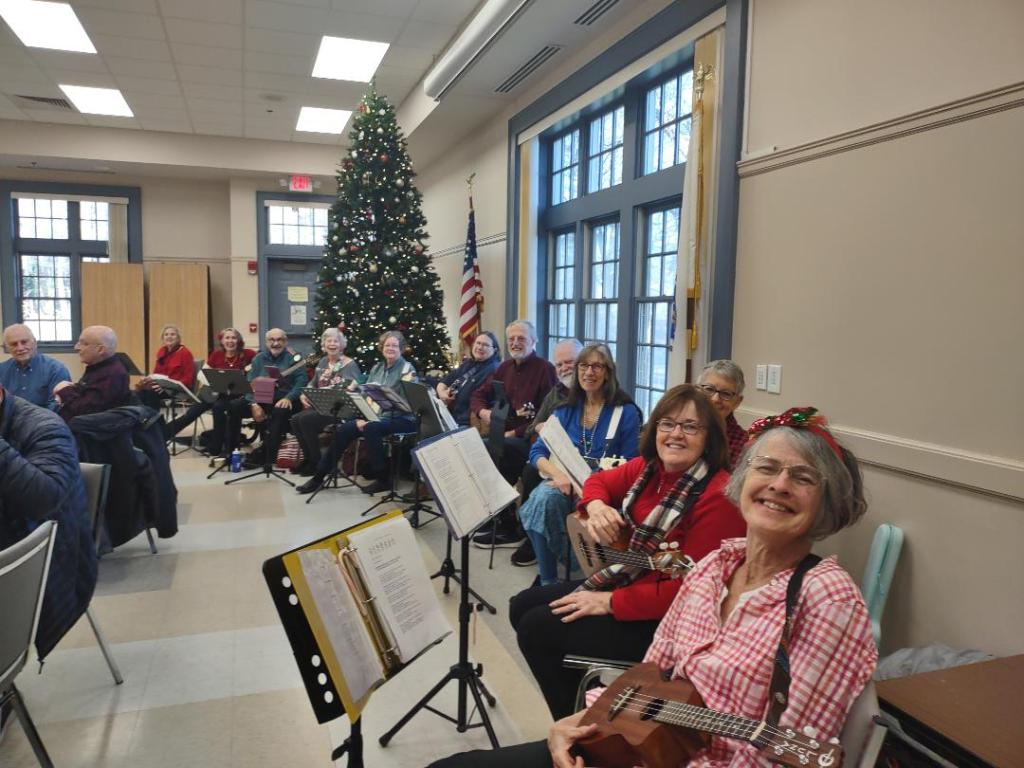
As I finish this post, Deb is working in the dining room, humming and exclaiming as she decorates the boxes we are shipping to our beautiful, silly, happy grandkids in the west. That we have grandkids demonstrates the other side of the indifferent universe, the side that delivers unearned joy and goodness. We did not have a daughter, then suddenly we did have one, and now she has children of her own. We were living in an apartment, struggling to pay rent, and now we have a house without a mortgage in a neighborhood of kind people. Deb was dying of liver failure, then her brother decided to donate half his liver to her. Yesterday morning, less than a year after my ukulele was delivered to my front porch, with only a couple of errors I played a set of twelve songs, surrounded by a dozen of my fellow ukulele players, while an enthusiastic audience of-grey-haired men sang along with us: “I ain’t got nothing but love, babe, eight days a week!”
No wonder we tell children that gifts are randomly carried down chimneys. It seems like a reasonably accurate fantasy story.
Please buy my books! And you can subscribe to this blog, below.


 Laurie J. Marks
Leave a reply to Vickie Cancel reply