
-

Action! Inaction!
Every sentence begins with a stressed syllable, mostly alternating stressed and unstressed: DUH duh. DUH duh. (Yep, trochaic rhythm.) I’m trying to make you feel how Painter receives a bit of input, then struggles to process it: Darkness. (Where?) Desperate coughing. (Huh?) Thunderous pounding. “What?”
-
Writing While SAD
I was a sad person, composing a first-person narrative that was fictionally composed by a sad fictional person. I didn’t have to look far to know what sadness feels like, but to express that feeling–while feeling it–wasn’t easy. Here are some strategies I used.
-
Light Scatter
When I type up a chapter, comprehension becomes possible. The light-scatter coalesces into a focused beam, and I can see my book’s multitude of flaws and failures. And that’s okay: Imperfections are rocks that form a path across a river. I step on them, thank them, and leave them behind.
-
Unintended Consequences
No wonder we tell children that gifts are randomly carried down chimneys. It seems like a reasonably accurate fantasy story.
-
Out of Book Limbo and Into the Fire
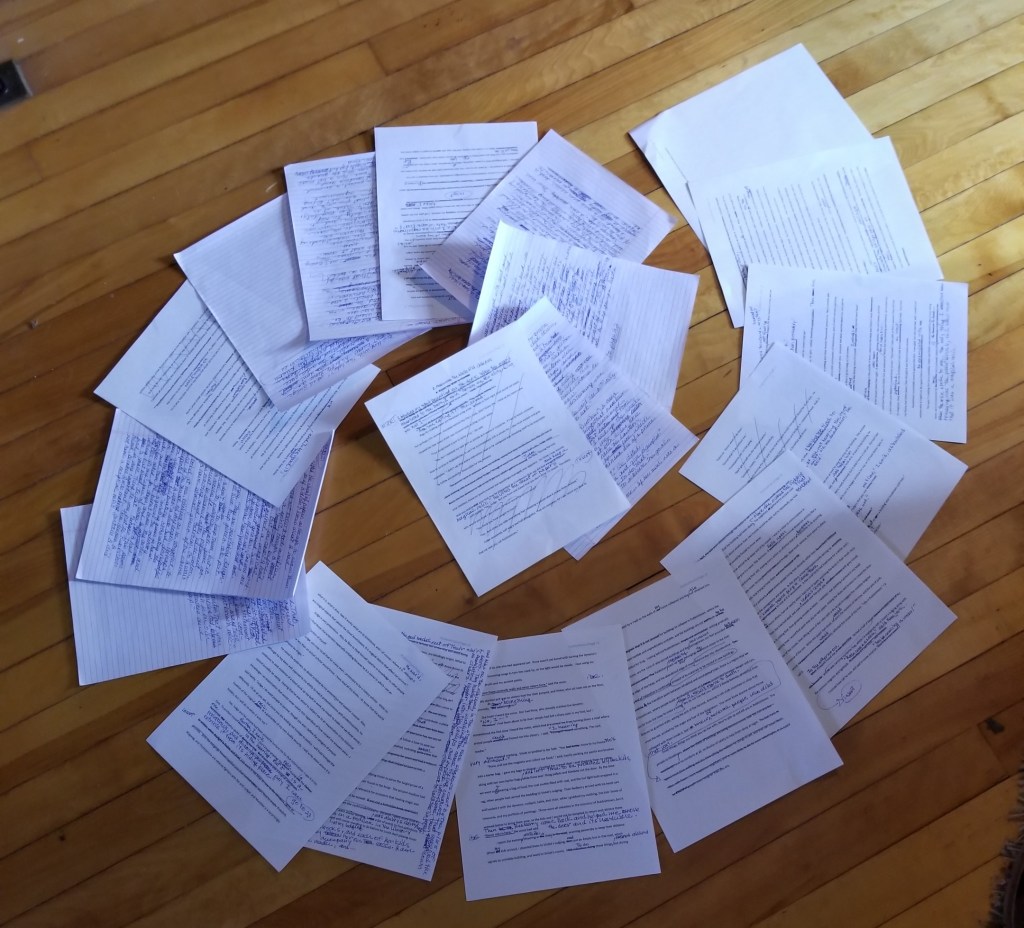
I stubbornly filled a page…with crossed-out sentences. Then, exasperated, I turned back to my printout and physically crossed out the paragraphs I was trying to rewrite. That shouldn’t have worked, but it did.
-
Patchwork and Writing the Wrong Book
This behind-the-scenes contention and discussion disappears by the final draft—thank you, delete button–so that you, dear reader, never suspect how confused I have been by my own project, and so that struggling writers get the false impression that other writers always know exactly what they’re doing.
-
Life in Books: The Gray House by Mariam Petrosyan
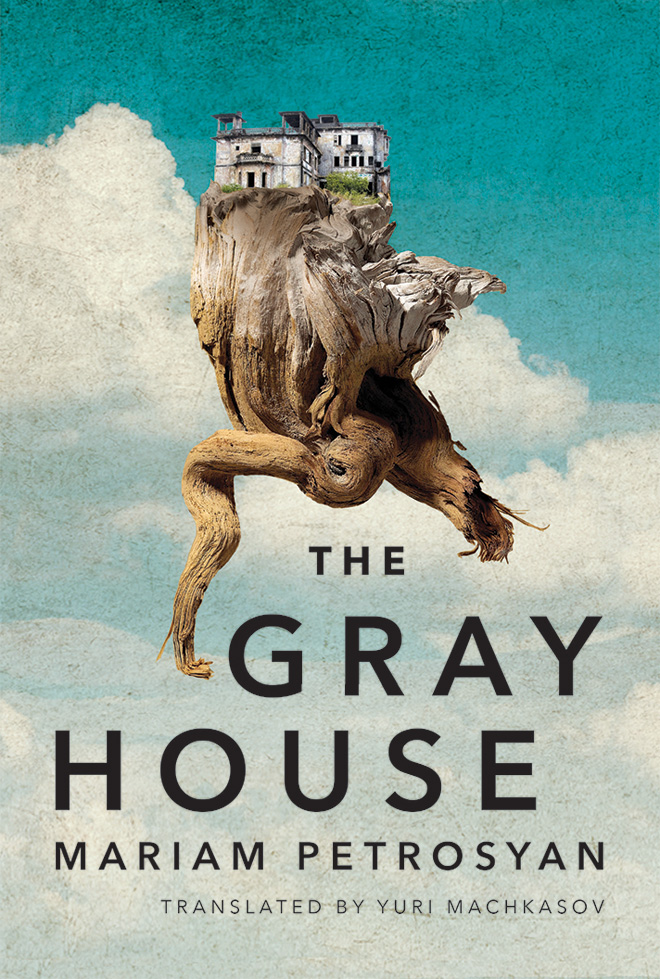
The Gray House uses no tropes at all and explains very little, therefore even an experienced fantasy reader like myself is forced to rely on her wits. It has a mysterious, ambiguous ending, and when you finish the last page, I predict that you will turn to the first page and start reading it again,…
-
Writing Backwards
By the time I was drafting chapter 4, I had figured out that I was writing backwards: I first decided what the “lesson” (chapter title) was, and then tried to invent a narrative to fit. But I needed to first write the narrative and then decide what it illustrated.
-
How to Write a Page
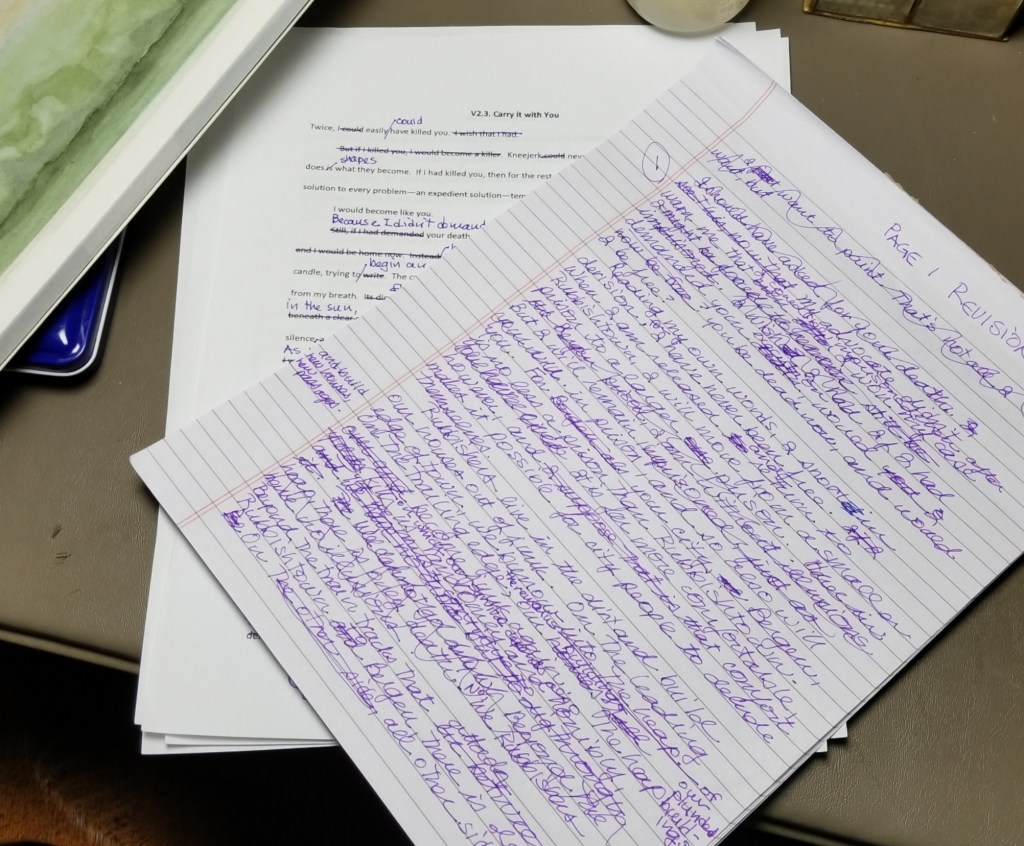
Writing alternate versions of page one allowed me to think more clearly about what belongs on that page of this book, and why. Writing is thinking, and writing while thinking about writing…well, it certainly could be a knotty mess, but for me it sometimes yields insight.
-

My Words are Rocks.
….But my words are rocks. I build with them, but they are rocks. Tiffany windows they are not.
 Laurie J. Marks